Two gym sessions a week
Linda books two sessions with her trainer. Both prioritise leg training and include adapted upper-body work.
A private review with Dean to understand what may be affecting your progress and decide where to start.

First, we get to know you. Then we build your plan.
We start with a Human Performance Audit. We talk about what you want to improve and what might be getting in the way. That includes how you move, eat, sleep and feel, what your week looks like, and any injuries or health concerns you tell us about.
Your Human Blueprint is the four-week plan you take away. It shows you what to work on first, what to do each week and how to tell if it’s helping. That might mean adapting your training around a sore knee or starting with short walks and simple exercises at home.
You can use it yourself or share it with your trainer or online coach. You decide what to share, and DSF needs your specific permission to share confidential information.
One payment for the Audit, with no subscription or automatic renewal.
Swipe or use the arrows to explore nineteen fictional examples.
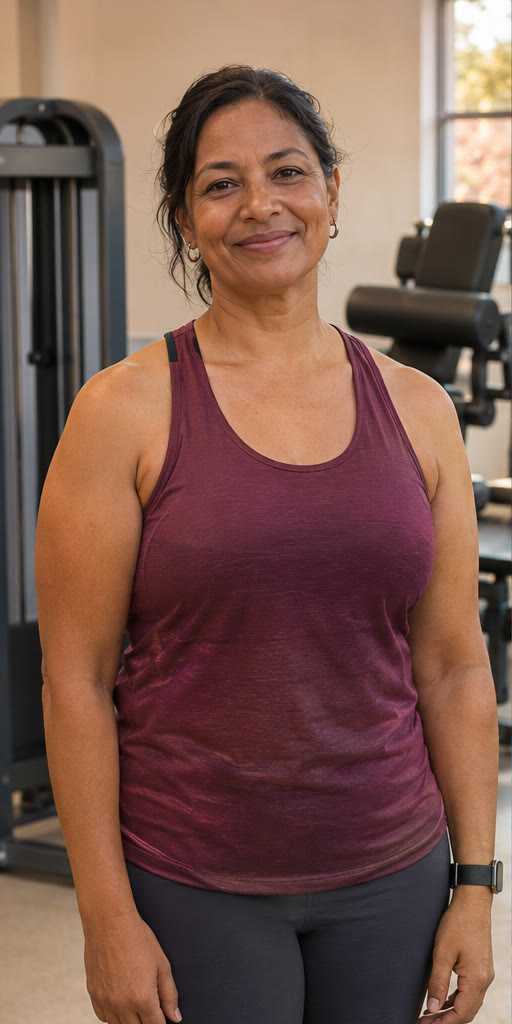
Chartered accountant
Fictional example · AI-generated portrait
She already has a trainer and can manage two gym sessions a week.
Her plan fits those two sessions around her shoulder and the advice from her healthcare team.
Training. Two gym sessions with her trainer on nonconsecutive days. Start with leg work and choose upper-body exercises within her physiotherapist’s guidance.
Food and routine. Turn any advice from her doctor or dietitian into meal choices she can manage on busy workdays. Her doctor handles thyroid treatment.
First check-in. Review which sessions she managed and how her shoulder felt. Share any agreed changes with her trainer.

Project coordinator
Fictional example · AI-generated portrait
She wants to lose weight gradually. Busy evenings often mean last-minute meals.
Her Blueprint starts with two realistic dinner options and activity she can fit around work.
Training. Two 20-minute walks after lunch and a short strength session at home on Saturday.
Food and routine. Choose two weekday dinners she enjoys and can make quickly. Keep ingredients for a backup meal on hand.
First check-in. Check which walks and dinners she managed and which change was easiest to repeat.

Software developer
Fictional example · AI-generated portrait
He wants to finish his first sprint triathlon. He cycles on weekends but has done little swimming.
His Blueprint helps him organise a starting week and identify where a triathlon coach could help.
Training. Set aside Tuesday for a coached pool session, Thursday for an easy run or run-walk, and Saturday for a familiar bike ride.
Planning. Check the event distance, swim setting and time available. Use a qualified coach for race-specific progression and supervised open-water practice if needed.
First check-in. Review how each discipline felt and whether the event timeline fits his current starting point.

Event planner
Fictional example · AI-generated portrait
Her wedding is in twelve weeks. She wants to feel stronger and have enough energy for the day.
Her Blueprint gives her two short workouts that fit around fittings and appointments.
Training. Book two short full-body sessions, with a walk on a day she can reliably keep free.
Food and routine. Plan regular meals on busy planning days and work in enough time to rest.
First check-in. Check whether the sessions fit and how her energy felt. Adjust around the wedding calendar as it fills up.

Sales manager
Fictional example · AI-generated portrait
He travels for work and keeps losing his routine when he’s away.
His Blueprint gives him a home week and a simple travel version.
Training. Plan two sessions on a normal week. On a trip, use a short hotel-room strength session and a walk when his schedule allows.
Food and routine. Pick a practical breakfast and lunch option he can find while travelling.
First check-in. Compare what worked at home and on the road. Keep the version he can repeat on his next trip.

Retired librarian
Fictional example · AI-generated portrait
She wants stairs and carrying groceries to feel easier.
Her Blueprint starts with short walks and simple strength and balance practice.
Training. Set aside Monday and Thursday for short strength sessions with support nearby. Start with everyday movements such as standing up from a chair, and add short walks that suit her ability.
Progress. Build from what feels steady and manageable. Choose one small change at a time.
First check-in. Ask how stairs and shopping felt that week and which activities she felt confident repeating.

IT support technician
Fictional example · AI-generated portrait
He wants to build muscle and can get to the gym three days a week.
His Blueprint gives him three full-body sessions built around lifts he can practise consistently.
Training. Monday, Wednesday and Friday. Each session covers legs, a push and a pull, using exercises he knows or can learn with good control.
Food and recovery. Plan regular meals with a source of protein and leave a day between lifting sessions.
First check-in. Review the weights, reps and how hard the sets felt. Add reps or a little weight when he can do the current work with good control.

Graphic designer
Fictional example · AI-generated portrait
He already lifts and wants to build more muscle. He can train four days and already takes creatine.
His Blueprint uses two upper-body and two lower-body sessions, with room to review his food and supplements.
Training. Upper body on Monday and Thursday. Lower body on Tuesday and Saturday. Use his training log to decide how much work to start with.
Supplements. Review what he already takes and why. Creatine monohydrate can support repeated high-intensity efforts and strength training, and it’s optional. DSF can explain the evidence and help him read the label.
First check-in. Review the lifts, recovery and any supplement questions. Direct questions about interactions or personal medical suitability to a doctor or pharmacist.
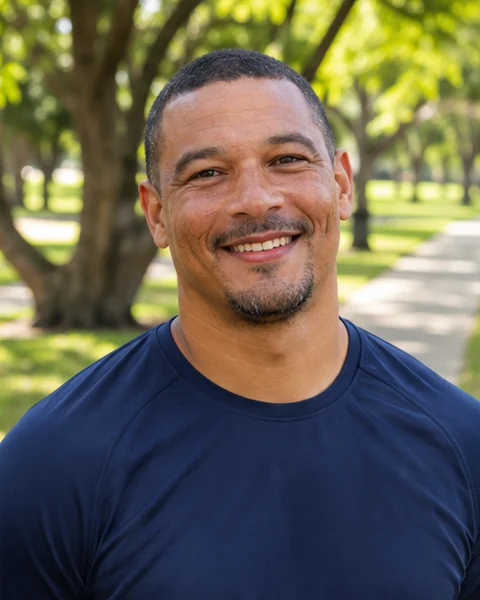
Architect
Fictional example · AI-generated portrait
He likes being active every day and wants to add muscle.
His Blueprint keeps a daily routine with four lifting days and three easier days.
Training. Lift on Monday, Tuesday, Thursday and Saturday, alternating upper and lower body. Keep Wednesday, Friday and Sunday flexible for an easy walk, gentle mobility or rest.
Food and recovery. Make space for regular meals and sleep. If recovery slips, reduce the workload or take a full rest day.
First check-in. Check whether lifts are improving and which days feel harder to recover from. Adjust the amount of work before adding more sessions.

Junior architect
Fictional example · AI-generated portrait
She lifts regularly and wants to do her first unassisted pull-up.
Her Blueprint puts pull-up practice into two of her three weekly gym visits.
Training. Monday and Friday start with assisted pull-ups and rows for her upper back, biceps and grip. Wednesday gives her legs, hips and core a focused session. She also keeps some pushing and leg work in the two gym visits.
Progress. Log clean reps and the assistance used. Reduce assistance in small steps when she can repeat the current reps with control.
First check-in. Review grip, technique and recovery. Set a starting target for the next week.

Interior designer
Fictional example · AI-generated portrait
She wants to build her glutes and hamstrings and is ready for more structure in the gym.
Her Blueprint pairs two lower-body sessions with two upper-body sessions.
Training. Monday and Thursday focus on legs and hips, using movements such as a hip thrust, a Romanian deadlift and a split squat. Tuesday and Saturday cover chest, shoulders, upper back and arms.
Progress. Start with loads she controls. Record reps and add a small amount of weight when she’s ready.
First check-in. Review how the lower-body sessions felt and whether the spacing gives her time to recover.

Operations coordinator
Fictional example · AI-generated portrait
She plays social netball on Saturdays and wants to feel steadier when she lands and changes direction.
Her Blueprint fits two short strength sessions around match day.
Training. Tuesday and Thursday include legs, calves, hips and core, with a push and a pull for upper-body strength. Use her club’s warm-up to practise controlled landings and changes of direction.
Recovery. Keep Thursday manageable and leave Friday lighter before Saturday’s game.
First check-in. Review how she felt in the last quarter and which drills she could do with control.

Business owner
Fictional example · AI-generated portrait
She trains at home with the same pair of dumbbells and wants to get stronger without buying more equipment straight away.
Her Blueprint uses two full-body sessions and gives her ways to progress with what she owns.
Training. Monday and Thursday cover legs, hips, back, chest and core. Use a squat or split squat, a hip hinge, a dumbbell row and a floor press as starting options.
Progress. When a weight feels too easy, add a few well-controlled reps or use a more challenging version of the movement.
First check-in. Review what feels too easy and what still needs practice. Progress one or two movements before changing the whole routine.

Primary school administrator · 31 weeks pregnant
Fictional example · AI-generated portrait
Leah already walks and does light strength training. Her pregnancy is uncomplicated, and her maternity team has confirmed she can continue with adjustments.
Her Blueprint helps her keep moving in the third trimester, with shorter sessions and flexibility as her comfort changes.
Training. Tuesday and Thursday are set aside for short sessions with familiar strength movements her maternity team has approved. She can take a comfortable walk on Saturday if she feels well.
Adjust as needed. Keep the pace comfortable, take breaks and avoid overheating. In later pregnancy, avoid spending more than a few minutes lying flat on your back. Stop if you feel unwell and seek advice from your maternity team.
First check-in. Review what felt comfortable and which sessions to shorten or swap. If symptoms or restrictions change, check in with the maternity team before continuing.

Operations manager
Fictional example · AI-generated portrait
Long workdays leave him with little energy and an unpredictable schedule.
His plan starts with short walks he can fit around work and a regular time to wind down.
Training. Start with a short walk at lunch on two workdays and keep a weekend walk as a backup when work runs late.
Food and routine. Plan one easy workday lunch and set a realistic time to wind down on most nights.
First check-in. Check which walks and evenings fitted his week. If tiredness persists or has no clear explanation, encourage him to discuss it with his doctor.

Finance director
Fictional example · AI-generated portrait
He wants stronger legs and better fitness, but his knee limits some movements.
His plan gives him a three-day split with leg exercises and cardio that fit the guidance he’s been given.
Training. Day 1 is legs, Day 2 is back and biceps, and Day 3 is chest, shoulders and triceps. Choose leg movements and a short cardio block using his clinician’s guidance for his knee.
Progress. Start with a workload he can repeat. Review how his knee responds before adding load, range or cardio time.
First check-in. Review which exercises worked for him and share new or worsening knee symptoms with his healthcare professional before progressing.

Attorney
Fictional example · AI-generated portrait
She has never trained and wants a gentle start at home.
Her plan starts with simple strength exercises and practical changes to her meals.
Training. Start with two short walks and one simple home strength session. Include easy whole-body movements and some work for the back of her arms.
Food and routine. Choose one realistic meal change to start. Arm exercises build strength in that area. Her nutrition and overall activity habits support her broader goals.
First check-in. Ask what felt manageable. When she’s ready, add a second short strength session rather than making the first one much longer.

Primary school teacher
Fictional example · AI-generated portrait
She wants to get back to exercising and has asthma. She can set aside 20 minutes after work on Tuesdays and Thursdays.
Her Blueprint starts with two short sessions she can fit in after school, with the activity shaped by her healthcare team’s guidance.
Training. Tuesday and Thursday after school, with up to 20 minutes available. If it fits her clinician’s guidance, start with an easy warm-up and a walk or simple strength work she feels ready for.
Asthma plan. Build around her clinician’s advice and existing asthma action plan. If symptoms come on during a session, she stops and follows that plan.
First check-in. Review what she completed and whether any activity or surroundings brought on symptoms. Refer symptom or treatment questions to her healthcare team.

Shop owner
Fictional example · AI-generated portrait
He lives with type 2 diabetes and wants to get stronger. His quietest time is Saturday morning, with a short window at home on Wednesday evening.
His Blueprint fits a short home session and a longer weekend session around his work and the advice he’s already received from his healthcare team.
Training. Wednesday evening is a short strength session at home. Saturday morning is a longer session with strength work and a walk, if suitable under his healthcare team’s guidance.
Diabetes care. Check any instructions his care team has given him for activity. If he uses medication that can cause low blood sugar, ask his care team how to plan activity around it. He follows their advice on meals and medication.
First check-in. Review which sessions fit around the shop and how he felt. Agree on a small next step within his healthcare team’s guidance.
These fictional weeks show how DSF can adapt a routine around someone’s time, goals and healthcare guidance. Each real plan depends on the individual.
Linda already goes to the gym and works with a personal trainer. She wants to understand why her weight hasn’t changed. She can commit to two sessions a week, wants to focus on her legs and still train her upper body, and has a shoulder injury that limits some movements.
What the Audit picked up. Linda’s intake flagged changes she wanted to discuss with her doctor. She chose to share existing blood test results, and Dean recommended that she speak to her doctor about her symptoms and results. Her doctor identified perimenopause and diagnosed Hashimoto’s thyroiditis. Linda’s doctor manages her medication. With Linda’s permission, DSF uses her healthcare team’s guidance to shape her plan.
Linda books two sessions with her trainer. Both prioritise leg training and include adapted upper-body work.
The plan gives Linda and her trainer alternatives for movements she’s been advised to avoid. If her physiotherapist gives her strengthening exercises, the plan makes room for them.
Linda and Dean turn her healthcare team’s food guidance into meals she can manage on a normal workday. If her doctor or dietitian advises her to avoid a particular food, the plan includes practical alternatives she’ll actually eat. Linda keeps a simple record of her sessions, energy and how her shoulder feels so they can review the plan together.
At the first weekly check-in: Dean and Linda review what fit her week and which movements she could comfortably complete within her clinician’s guidance. They agree on any adjustments for the next week, and Linda can share them with her trainer.
The Audit is for adults aged 18 and over. You can start at any fitness level, and Dean assesses suitability individually.
We work within guidance from your doctor or physiotherapist and refer you back to them when you need medical advice or clearance. DSF provides lifestyle and performance guidance within its qualifications. Medical examinations, blood tests and medical interpretation, diagnosis, treatment, medication changes, prescribed therapeutic diets and supervised workouts fall outside the Audit.
After your Blueprint arrives, you get one check-in with Dean each week for four weeks. Choose email, WhatsApp, phone or video each week. We’ll confirm your check-in dates and share Dean’s WhatsApp number with you after booking.
Phone and video calls are booked in advance, last up to 15 minutes and include a short email recap the same day. For an email or WhatsApp check-in, send your update by 15:00 South African time on your scheduled business day for a same-day reply. Later updates are answered the next business day. If you miss a week, you can pick up at your next check-in.
You can email questions about your Blueprint at any time for 30 calendar days after delivery, with no fixed message limit or per-email charge. DSF responds within three business days. If email is insufficient, one optional clarification call of up to 30 minutes is included, arranged by email and agreement.
Your follow-up includes a progress review and an updated personalised plan for the next four weeks. Book when you want a fresh review. You do not pay again simply to keep using your existing plan. A new assessment or substantial programme change is agreed with you before paid work begins.
Email audit@deansiebert.co.za. Please keep medical records out of general enquiries. Confidential intake and consent follow payment confirmation.